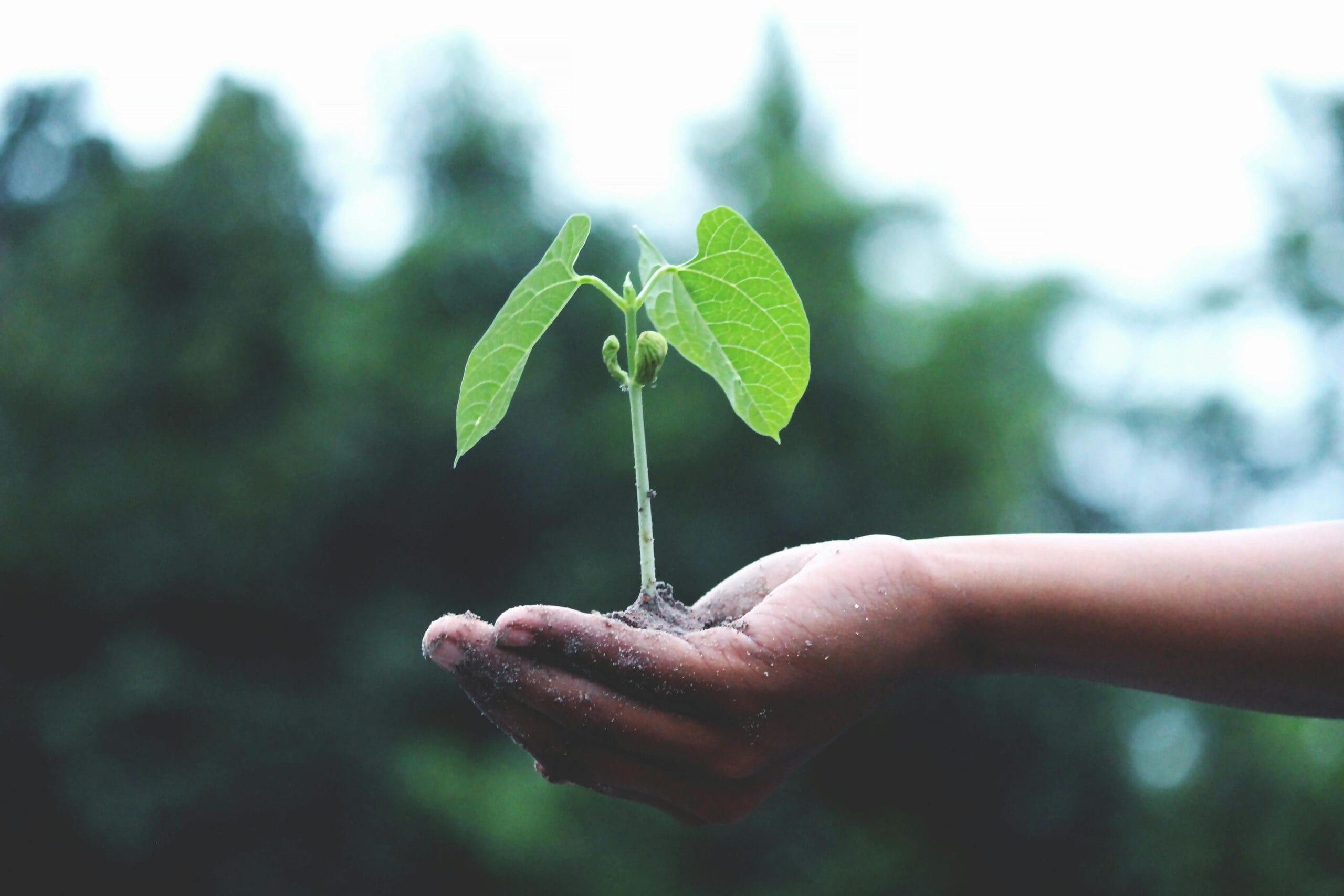
If I could describe my career journey in one phrase, it would be this – Learning Myself Forward.
I didn’t plan every step perfectly. Even when I took up English as my degree major, it was my parents who made the call. Of course, the fact that I loved the language and had excelled in it since primary one, played a part. But truthfully, I didn’t always know what’s next – come what may, like Nike, I Just Do It. 😉
I took the first job I was offered right after graduation and discovered that I love translating long-winded blueprint into engaging content – long before ChatGPT was even in place! On the job, I learned to write with clarity, tailor messages for different stakeholders, and coordinate across teams. I created content for internal toolkits, blog posts, newsletters, and product documentation — all of which strengthened my foundation in content strategy and cross-functional collaboration.
I have always wanted to teach – educating has always been at my core. So when I was offered my first teaching role, I couldn’t say “No”, even when the offer is questionable, I took it. It was a small college, located in a shop lot – but I have a classroom full of students.
I remember my first class vividly. It was for a group of SPM school leavers, who are still waiting for their results, but had already started an English preparatory class. I printed Martin Luther King Jr.’s speech, “I Have A Dream”. My intention was to use it to teach figurative language, imagery and repetition – perfect for analysing rhetorical devices. The speech shows emotion, rhythm and vision. I wanted to inspire my class to have and speak of their dreams.
After the lesson, I was called in by the Academic Director. She taught me the first lesson on teaching, “Tina, you need to read the room, know and see your audience, your students. Every classroom lesson has a targeted outcome, but the approach in achieving those outcomes depends on the students you have before you.”
My class was filled with SPM-level students who are not fluent in English. If I had checked their files, I would have known that they never pass English at school. Bringing in Martin Luther King’s speech was too ambitious! They couldn’t understand it, or relate to it, so the learning outcomes weren’t achieved.
That moment was a turning point for me. Since then, throughout my years of teaching, I’ve made it a point to put my students at the centre of my focus. Classroom learning, to me, must be experiential — centred on direct experience, reflection, and application rather than theory or lecture. Whether through theatre productions, outdoor expeditions, seminars, or industry collaborations, I designed experiences where students could learn by doing. These initiatives developed not only their academic understanding but also their leadership, creativity, and teamwork — skills essential for life beyond the classroom.
My message to them has always been this: learning a language is like learning how to swim.
You cannot master it by reading books alone — you need to practise. I could give you a Dummy’s Guide on How to Swim; you might read it all night and memorise every step. But if I push you into the pool after that, there’s no guarantee you’ll swim. The first rule of learning how to swim is to get into the water — and it’s the same with language. With regular practice, you build confidence, and that confidence leads to mastery. My role as their English lecturer was to give them the pool — the safe space to try, fail, and try again until they could swim on their own.
I expanded this philosophy when teaching Early Literacy to trainee teachers, understanding their challenges in using English to interact with young English language learners. Whether in first or second language settings, what matters most is the ability to internalise what needs to be taught, so that application becomes smooth, natural, and fluent across all levels.
I have had the opportunity of working abroad – from teaching in Jakarta to shadowing my Vice President for university expansion projects across Africa. I witnessed firsthand how education transforms communities in ways that theories alone could never explain. Each of these experiences taught me more about courage, humility, and adaptability than any classroom ever could.
When I pursued my Master’s in Corporate Communication at UPM, it wasn’t just about deepening technical knowledge. It deepened my understanding of strategic communication, stakeholder engagement, and organisational reputation. I explored topics such as corporate identity, crisis management, persuasive messaging, and cross-cultural communication — all of which strengthened my ability to lead communication efforts in high-stakes environments.
The analytical and planning skills I developed here continue to shape how I approach stakeholder alignment, policy communication, and internal learning engagement strategies in my professional roles.
Later, getting certified in ISO and HR Analytics taught me that quality and quantity should work hand-in-hand — the discipline of precision, the value of data-driven decision making, and how systems thinking shapes sustainable impact.
These experiences strengthened my belief that learning is not confined to classrooms — it lives in systems, processes, and people.
I’ve worked on the frontlines, delivering engaging learning content, and behind the scenes — developing learning frameworks, curriculum structures, and modules. Teaching students, training adult-learners and coaching teachers. I’ve worked in operations within both academia and corporate environments, all to understand how systems and structures function across cross-functional teams in supporting organisational goals. Each experience has added a new layer — not just to my résumé, but to how I think and who I’ve become.
I’ve learned that professional growth doesn’t stand apart from personal growth; they shape and strengthen each other.
Of course, it’s not always sunshine at work. There was a season that taught me one of my hardest lessons yet — that not every place that preaches progress actually practises it. I joined an organisation drawn by its inspiring mantra about growing together. But over time, I learned that slogans can’t substitute culture. Behind the words, I saw gaps between what was said and what was lived.
It was difficult — even disheartening — but it pushed me to reflect on what progress truly means. Sometimes, growth doesn’t come from staying and adjusting; it comes from recognising misalignment, choosing integrity, and walking away.
That experience grounded me. It reminded me that growing isn’t just about acquiring skills — it’s also about discernment. About knowing when to persevere, and when to move on with clarity and grace.
Recognise your boundaries and hold on to your principles.
Today, I see learning as less of a checklist and more of a mindset. It’s about asking:
- What can I learn from this — about others, and about myself?
- How can I apply what I’ve learned to make the next step more meaningful?
That, to me, is what learning myself forward truly means — to keep showing up for the process, even when the outcome isn’t clear, and to know when to stop when the purpose no longer fits your being.
Every new skill, every challenge, every “yes” to opportunity becomes a piece of the puzzle that shapes the next version of me. And as I continue on this journey, I remind myself that growth doesn’t always look like a leap — sometimes, it’s the quiet courage to take the next step, mindfully and with purpose.
Stay forward.
Leave a Reply