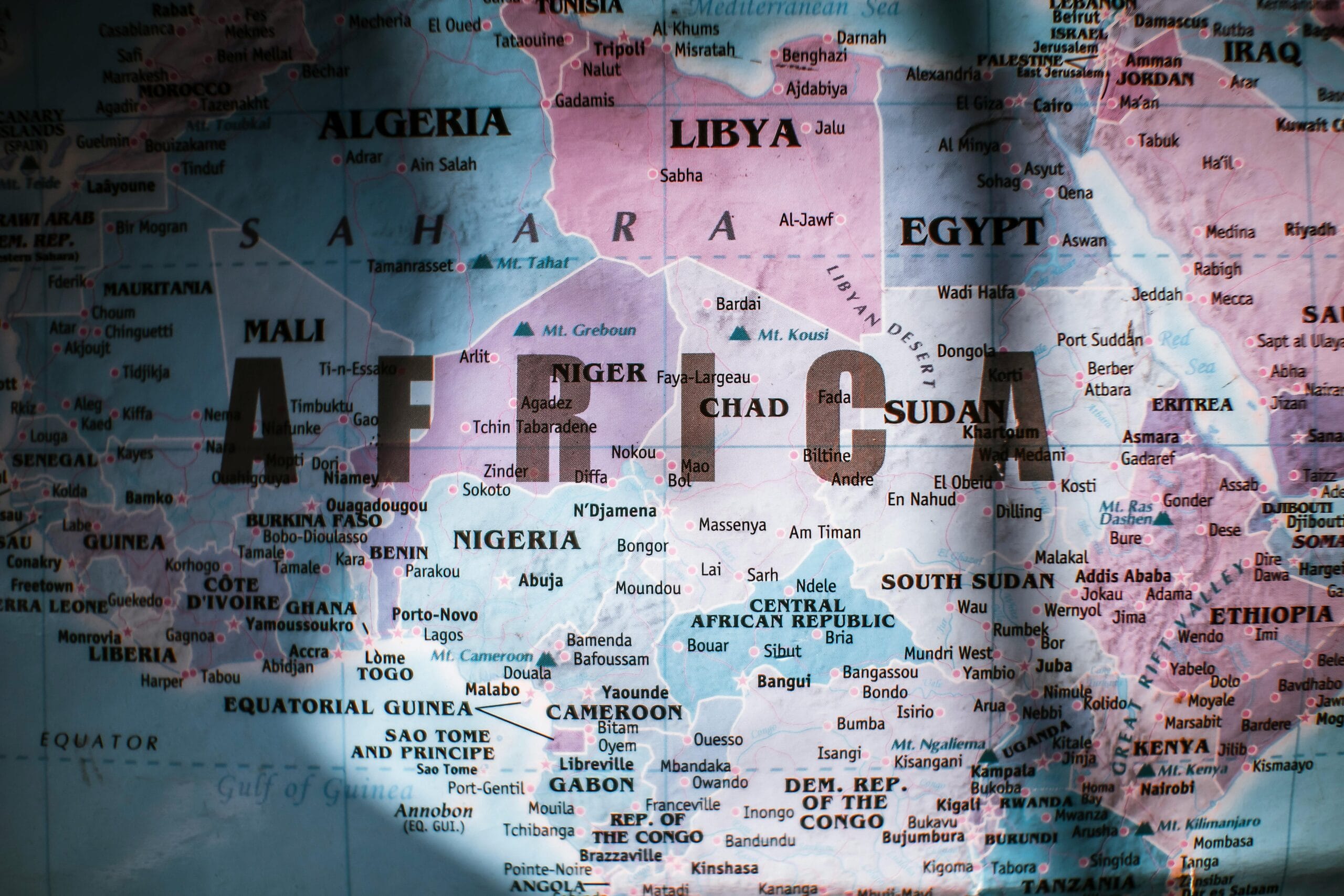
Leadership lessons don’t always come from boardrooms. Sometimes, they come from the red soil of Botswana, the morning air in Uganda, or a quiet meeting room in Namibia — where cultural differences and human connection teach you more than any textbook ever could. Between 2016 and 2018, I found myself working across these countries as part of a university expansion project, helping align our curriculum with local qualification frameworks and national standards.
At the time, I thought it would simply be about paperwork, documentation, and cross-referencing curriculum grids. My role seemed straightforward on paper — ensure compliance, map qualifications, and translate learning outcomes. But what unfolded was much more than a professional assignment. It became one of the most humbling and transformative journeys of my career — one that taught me that leadership has no borders, but context always matters.
When I arrived in Africa, the continent was in a defining phase of educational transformation. Botswana had recently restructured its Botswana Qualifications Authority (BQA) to improve governance and establish industry-aligned standards. Namibia was strengthening the Namibia Qualifications Authority (NQA) and promoting international recognition of its higher education institutions. Uganda, meanwhile, was building its Vocational Qualifications Framework — a bold effort to ensure its young population could gain employable skills to support national growth. Across the continent, governments were asking the same essential question: How do we make education more relevant to our people and our economy?
That question became my daily reality. In every country I visited, I was invited into rooms where policies were still being debated, templates redrafted, and frameworks rewritten mid-process. It wasn’t disorganisation — it was a reflection of systems in transition. Many were in the process of building, revising, and redefining who they wanted to become. And it dawned on me that transition demands a different kind of leadership — one rooted not in control, but in patience, empathy, and adaptability.
I still remember my early meetings in Namibia. The environment there was calm, orderly, and intentional. Meetings began on time, and every discussion followed a clear structure. People valued consistency and precision, and when they gave their word, they meant it. I had to learn to match that rhythm — to prepare more thoroughly, to listen more carefully, and to avoid rushing decisions. Their leadership culture reminded me that integrity isn’t about doing more — it’s about doing what you said you would do, exactly as you promised.
Botswana, on the other hand, had a warmth that disarmed me instantly. There was a deep sense of community, even in professional settings. People introduced themselves by sharing where they were from, who their families were, and what their aspirations were. It was a society where relationships came before results — where a handshake meant more than a contract. I learned quickly that if you didn’t invest time in building trust, no matter how efficient your proposal was, it wouldn’t move forward. There was no shortcut to trust; you earned it through sincerity, respect, and genuine connection.
I recall one afternoon in Gaborone when a local counterpart invited me to his home for lunch after a series of tough negotiations. Over a simple meal of rice and chicken, we spoke about our countries, our parents, and our hopes for education. By the time I left, the discussion we had struggled to progress for weeks was suddenly resolved. That day, I learned that leadership isn’t just about influence — it’s about presence. People remember how you made them feel before they remember what you proposed.
Uganda offered another kind of awakening. I remember stepping out of the airport and immediately noticing the red earth beneath my shoes — the same colour as the soil in my mother’s hometown, Muar. It felt strangely familiar. The people, the weather, the laughter — it all reminded me of home. The humility of the Ugandan people left a deep mark on me. Despite challenges in infrastructure and resources, there was an unmistakable spirit of optimism and resilience.
During one official meeting, a senior government officer paused the discussion to personally greet everyone around the table. It was such a simple act, but it spoke volumes about leadership. That gesture taught me that leadership is not about position — it’s about approachability. It’s about making others feel seen. Later, at an official lunch hosted by the First Lady’s office, every dish served was made of cassava. That puzzled me at first, until I realised that in Uganda, cassava is a staple food — a symbol of nourishment and simplicity — while rice is considered a luxury.
That moment changed my perspective entirely. It made me realise that what we take for granted in one place can represent privilege in another. Leadership, too, works that way. What seems like a simple decision from one leader’s perspective might represent a major milestone for another. The key is to lead with awareness — to understand the context before you act.
Even outside the office, every experience shaped my understanding of adaptability. As a Muslim traveller, finding halal food was often difficult. I learned to make do — fish and chips, salads, and sometimes Maggi cooked in my apartment. It sounds trivial, but those small acts of adjustment taught me quiet resilience. Leaders don’t always make grand gestures; sometimes leadership means staying grounded, flexible, and positive even when comfort is absent.
In those years, I began to understand that education systems are a reflection of leadership systems. The way a country designs its curriculum mirrors how its leaders envision its future.
Botswana was deeply focused on creativity and entrepreneurship; Namibia on order, governance, and international recognition; Uganda on vocational empowerment and youth employability.
Each was driven by the same vision — to build a stronger nation through knowledge — but from different starting points. It made me reflect on Malaysia’s own journey. We, too, are still in our season of becoming, shaping and refining our systems to balance structure with innovation.
Throughout my time there, I also found myself reading about great African leaders who shaped the continent’s progress in education and governance. Ellen Johnson Sirleaf, Africa’s first female president, often spoke about the power of educating women as a force for peace and prosperity. Paul Kagame in Rwanda was transforming his nation through structured governance, innovation, and a disciplined focus on education. And Nelson Mandela’s enduring message echoed everywhere I went — that education remains the most powerful weapon to change the world.
Their legacies helped me connect the dots between leadership and education. Leadership, at its core, is an act of building capacity — of helping people see their potential and giving them the systems to grow into it. Education is leadership in action; it empowers others to lead themselves. I began to see my role differently. I wasn’t just a curriculum specialist mapping frameworks — I was part of a broader leadership effort to connect learning, policy, and purpose across cultures.
Still, the work wasn’t without challenges. Policies changed mid-process. Meetings were rescheduled multiple times. At one point, an entire qualification framework I had mapped had to be redone because the agency updated its credit allocation formula overnight. Those experiences tested my patience, but they also taught me the meaning of agility — the ability to move with change, not against it. I learned to breathe, to recalibrate, and to lead with calm rather than frustration.
Sometimes, the lessons came in unexpected ways. On weekends, I’d wander through markets in Gaborone or Windhoek, speaking with locals about their dreams and worries. Many young people told me they aspired to study but couldn’t afford to leave their country. They believed that education — no matter how small the start — could change their lives. Their conviction reminded me that leadership isn’t only about vision; it’s about hope. Leaders, at their best, are hope builders.
As I look back now, years later, those experiences remain some of the most grounding moments of my life. I learned that no leadership theory, no MBA module, and no performance matrix could ever replace the wisdom gained from sitting in a circle with people whose realities are different from yours. The most effective leaders are those who can adapt, listen, and lead with humility — those who can bridge worlds without losing their own integrity.
Every country I worked in left a mark on me. Namibia taught me discipline, Botswana taught me warmth, and Uganda taught me grace. Together, they taught me that leadership is not about controlling the outcome — it’s about understanding the journey. It’s about meeting people where they are and walking with them toward progress, however slow it may seem.
Leadership beyond borders taught me this: every place — and every person — is a work in progress. We are all in our season of becoming, trying to balance tradition with transformation, ideals with realities. The real measure of leadership lies not in how much you control, but in how much you learn, adapt, and grow — no matter where you stand.
Be agile. Be human. And most of all — lead with heart.
Leave a Reply